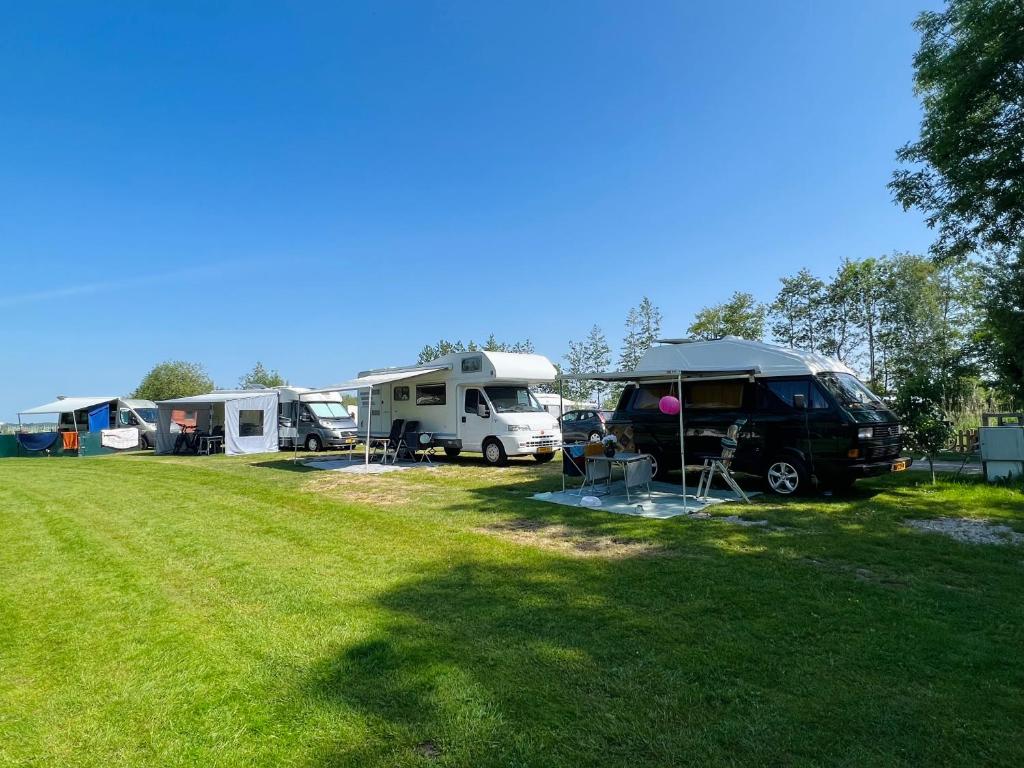
If any part of your park lets static caravans, lodges or glamping units on a self-catering basis — rather than as seasonal or residential pitches — there's a Treasury review under way that's worth watching before the Autumn Budget on 28 October 2026.
The question being reviewed is blunt: should self-catering holiday-let accommodation carry business rates, as it does now, or should some of it be reclassified as a second home and taxed through council tax instead? Treasury minister James Murray confirmed in a written parliamentary answer that HM Treasury is formally reviewing the tax treatment of short-term lets, after concern that small-business-rates status is being used by some owners to manage their tax bill rather than to run a trading business.
What the current rules actually are
In England, a self-catering unit qualifies for business rates — and the Small Business Rate Relief that can zero the bill entirely under a £12,000 rateable value — if it's available to let for at least 140 days a year and actually let for at least 70 of them. Get above that bar and you're rated as a business, not taxed as a second home. That threshold is exactly what the review is looking at: whether it's doing its job of separating genuine holiday-letting businesses from lightly-let second homes, or whether it's being used to dodge council tax on a property that's mostly sitting empty.
For a working holiday park, this distinction matters more than it might for a single cottage owner. A park with twenty or more static caravans or lodges let commercially, hitting the letting threshold comfortably, is about as clear a case of "genuine business" as the rule is meant to catch — but reclassification, if it happens, won't necessarily be drawn with that precision. The Professional Association of Self-Caterers has estimated the reported change could cost an average owner £1,000 to £3,000 a year if moved onto council tax, with the exact hit depending on rateable value, council tax band, location and whatever premium the local authority chooses to apply — councils can already charge up to 200% council tax on a genuine second home.
What to do now
Nothing changes today, and nothing is confirmed — this is a review, not a policy. But three things are worth doing before the Budget rather than after it:
- Check your own letting-day records. If any unit is close to the 70-day actual-letting threshold, you want clean evidence of how many nights it was genuinely let, not just available, going into any consultation response.
- Watch for the Budget response, not just the headlines. The call for evidence has already closed; what matters is what the Chancellor actually announces on 28 October, and whether any change is prospective or backdated.
- Raise it through a trade body if you're a member. Sector associations representing holiday parks are the ones with a direct line into how any reclassification is scoped — an individual operator's evidence carries further pooled with others'.
None of this is a reason to panic, and it's not a reason to do nothing either. Parks running self-catering statics and lodges alongside touring and seasonal pitches are exactly the kind of mixed business this review could touch unevenly, so it's worth five minutes checking where your own letting figures sit.
Separately: whatever the tax picture ends up being, the businesses that come through changes like this in the best shape tend to be the ones with a clear, low-overhead booking operation rather than a stack of separate systems and spreadsheets. HolidayPitches charges 1% per booking, capped at 4%, with no setup fee and no monthly fee — worth a look if you're already reviewing costs for other reasons this autumn.